


TMD Treatment
Therapy at Wade Orthodontics
The temporomandibular joint (TMJ) is a complex part of your face essential for many functions. Pain and discomfort in this region are common symptoms of a TMJ disorder, or TMD. If left undiagnosed and untreated, this will develop into chronic pain throughout life.
Thankfully, Dr. Andrew Wade and the team at Wade Orthodontics provide treatment options to relieve pain and restore both the health of your jaw joint and range of jaw movement. In fact, dentists are some of the best professionals when treating a temporomandibular joint disorder due to their extensive experience working with the teeth, mouth, bite and jaw.
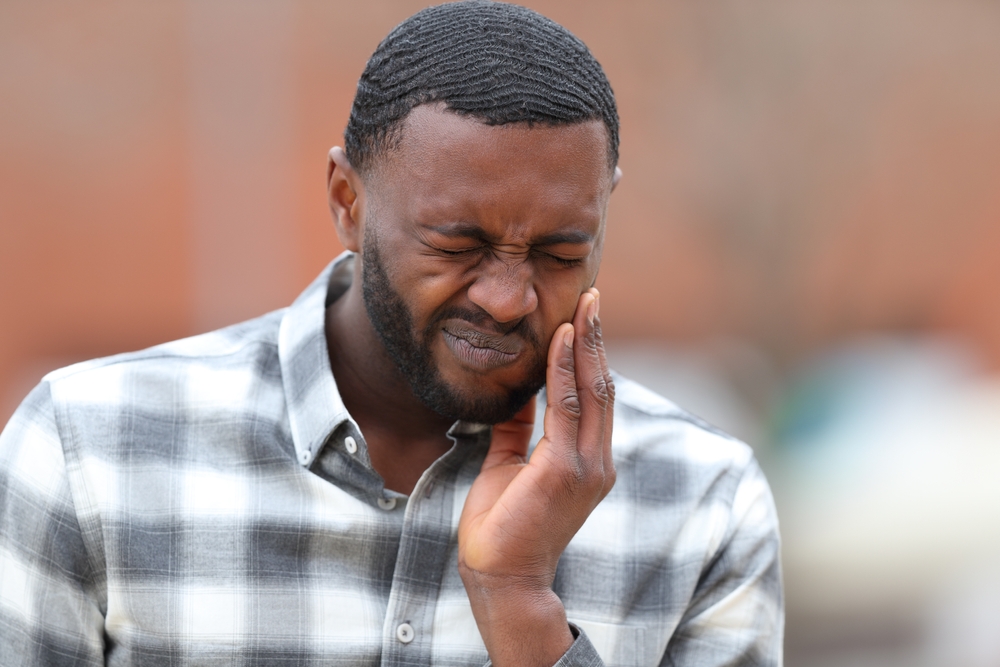
What are the Symptoms of a TMD?
TMJ disorders can develop for various reasons, but some of the most common include:
- Misalignment of teeth
- Arthritis
- Grinding your teeth, usually at night
- Trauma to the face
- Facial injury
If dental problems like a misaligned bite or injury are not treated, they can lead to a TMD later on. This is why it is so critical to receive dental and oral health care as you need it.
TMD symptoms can occur in multiple different ways, both in the joint region itself and beyond. Most often, this is what our team sees at Wade Orthodontics:
- Pain, popping and clicking sounds in the TMJ
- Tenderness in the jaw region
- Limitations in motion in the region
- Headaches and migraines
- Earaches
- Shoulder and neck pain and tension
If you are experiencing any of these symptoms, call our office at (614) 451-7555 to make an appointment with Dr. Andrew Wade and learn more about treatment.
What Are My Options for Treating a TMJ Disorder?
Including you in all dental health decisions and providing the necessary information for you to understand your treatment options is our priority at Wade Orthodontics.
To start, we will closely examine the TMJ region for physical symptoms like difficulty opening your mouth or any clicking or popping noises. We’ll also ask you about any tenderness or sensitivity you feel in the area and the intensity of these feelings.
From here, we will evaluate what is causing your pain. If the cause is something more serious and outside our range of usual expertise, we will refer you to a specialist in our wide network. This may include a professional like an oral surgeon for significant facial or jaw injuries.
Using a Mouth Guard to Treat TMD
A typical issue we see when treating patients for TMD is a history of night grinding, or clenching your teeth at night. If you previously had issues like worn, cracked or chipped teeth from grinding, you are at a higher risk of developing TMD.
If it is something like grinding your teeth at night, the solution may be a custom-made mouth guard to prevent your teeth from gnashing together while you’re asleep. Our practice offers nightguard services and can help you get the proper dental appliance for treatment.
Using Botox to Treat TMD
Proper aftercare is essential for a smooth recovery. To ensure the best results:
- Avoid chewing on the affected tooth until the final restoration is placed.
- Maintain good oral hygiene by brushing and flossing regularly.
- Take prescribed antibiotics if necessary to prevent reinfection.
- Schedule follow-up visits as recommended by your dentist.
A treated tooth can last a lifetime with proper care, helping you avoid extractions and maintain a natural, healthy smile.
Overflow
Overflow Content
Looking For Expert orthodontic in Columbus?
If you need expert care, Wade Orthodontics is here to help. Our orthodontists provide compassionate, high-quality orthodontic treatment options to protect and restore teeth. Call us at (614) 451-7555 to schedule an appointment! Let us help you preserve the health and function of your teeth with advanced orthodontic treatment.